High-quality drinking and process water treatment systems for use in industry and commercial applications.
Specialists for your water treatment systems
Our engineers will advise you comprehensively
Industrial water treatment
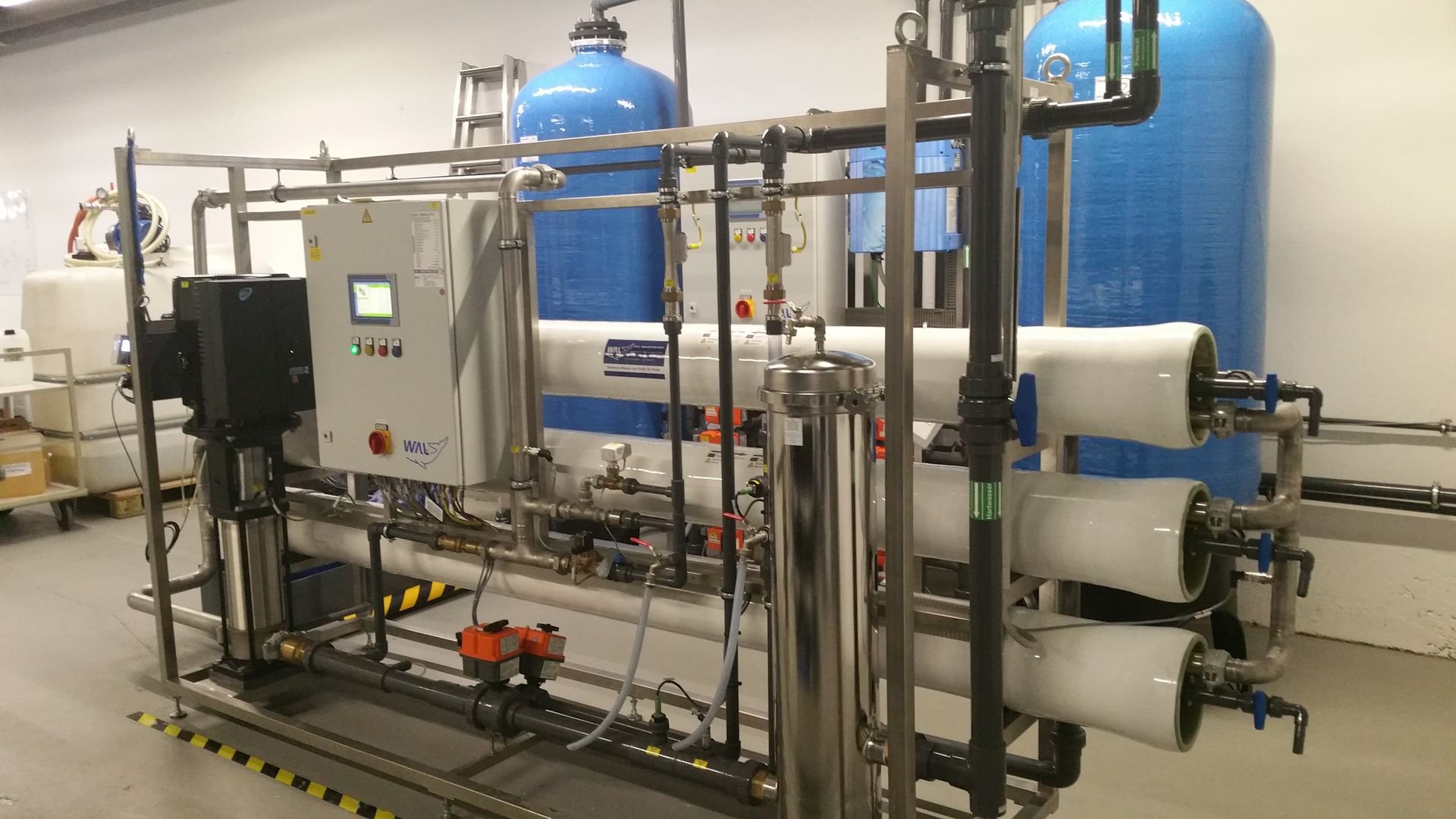
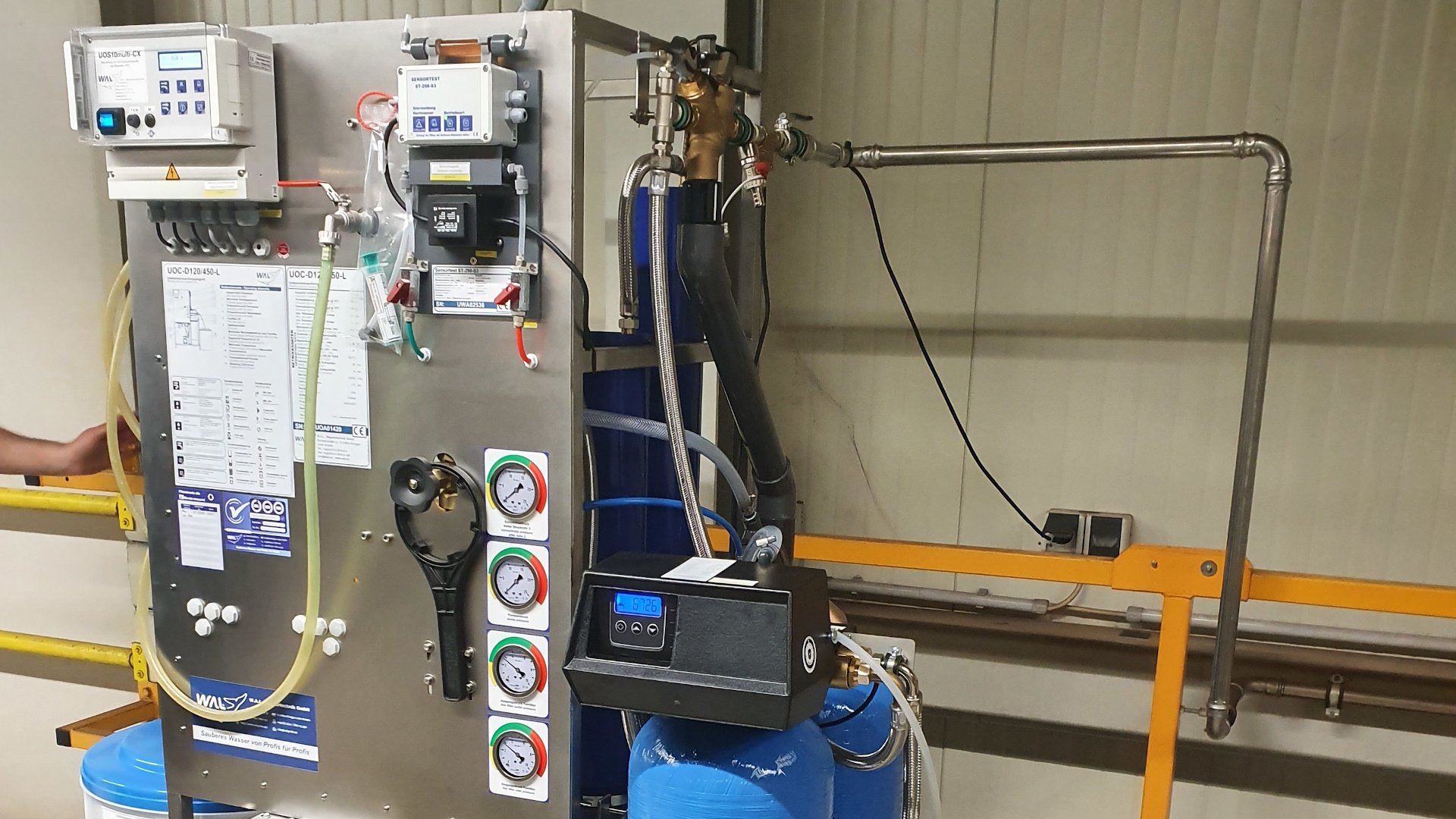
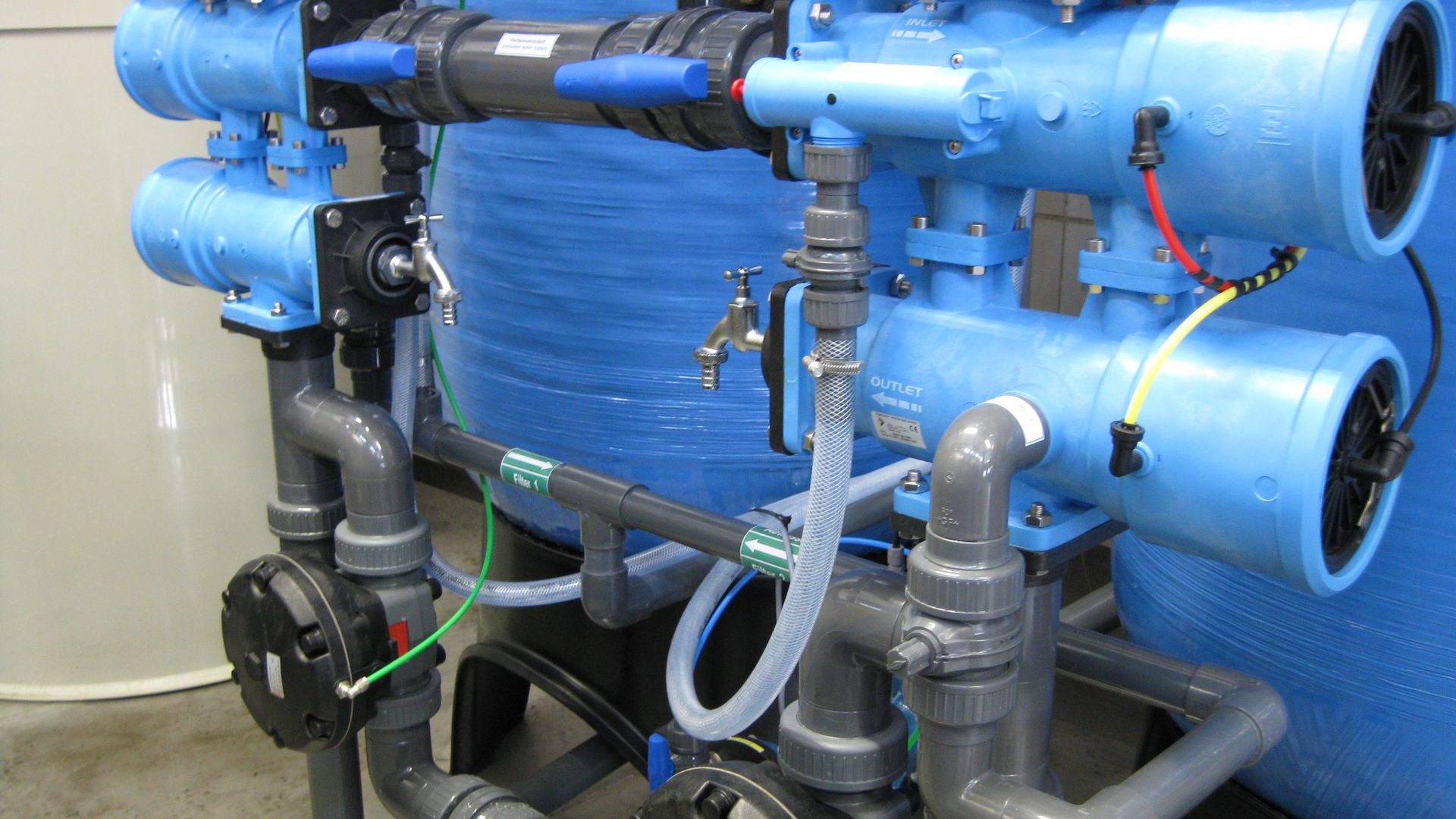
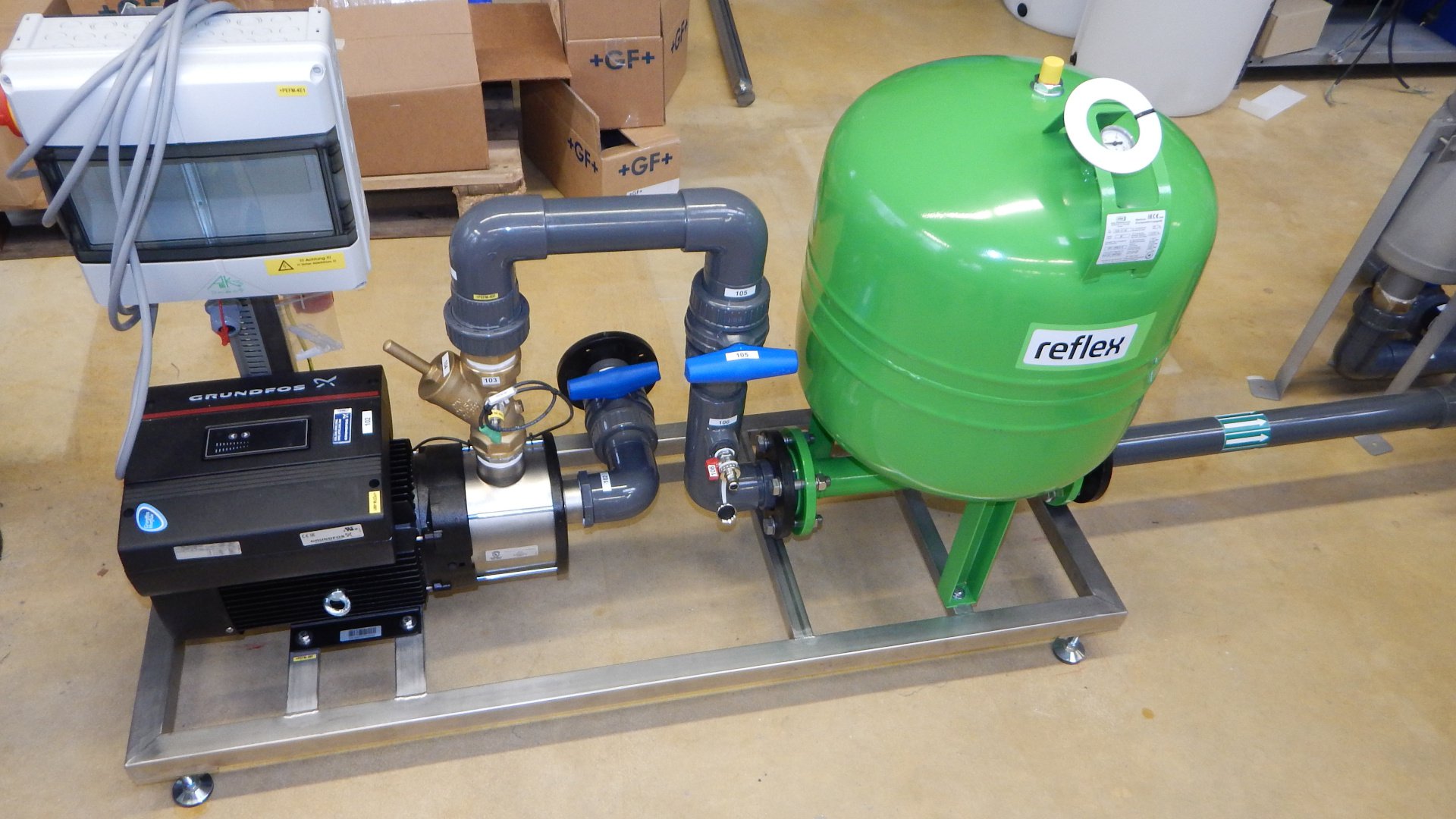
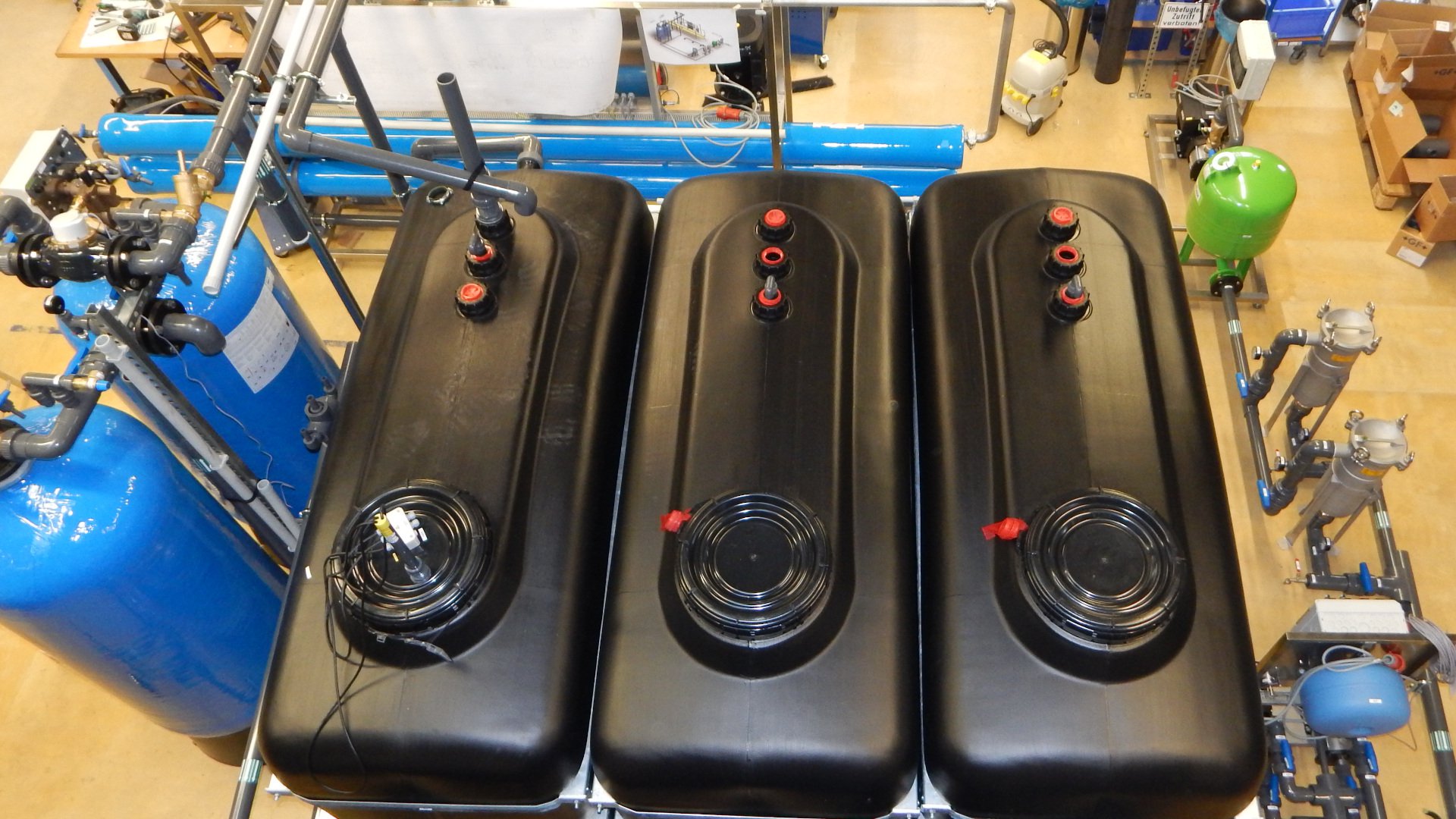
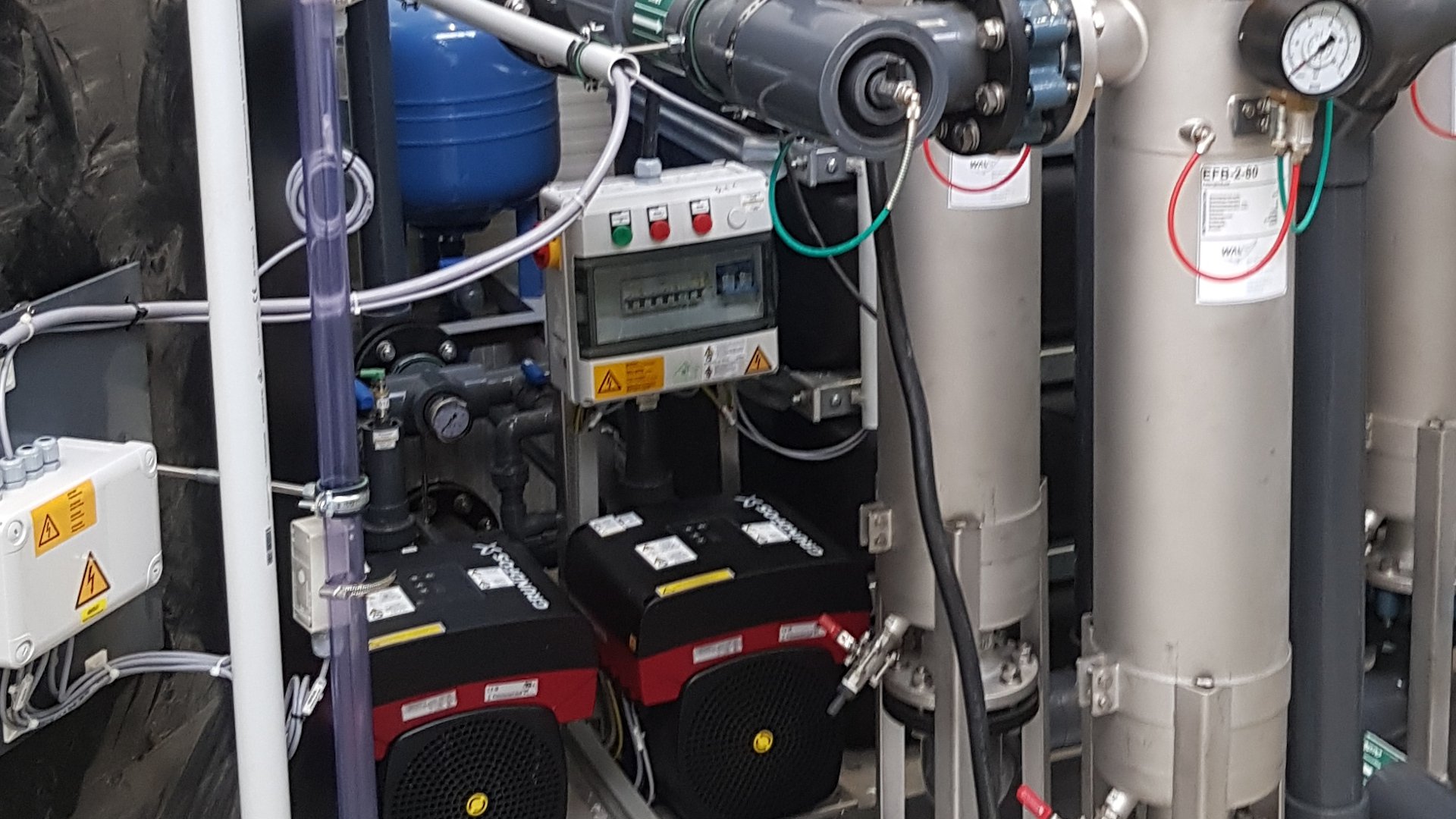
In industry, there are very different specifications and requirements for the water or drinking water used in processes. W.A.L. GmbH's industrial water treatment systems can remove undesirable substances from the water used in industry, but can also be supplemented with the desired additives.
The water quality and water properties are specifically modified, decalcified, filtered, desalinated, disinfected, UV-irradiated, degassed or adsorbed using our water treatment equipment and systems.
Our specialised and experienced engineers and technicians are experts in clean water for industry. We have been a well-known and established player on the market since 1989. We offer our customers everything from a single source, from the design, manufacture and installation of customised water treatment solutions to service and maintenance.
In addition, our standard delivery programme consisting of around 800 products provides an extremely comprehensive portfolio for industrial and commercial OEM customers.
Well water Water treatment
Well water must always be treated to make it usable. We use the tried and tested W.A.L. filter systems, softening systems, membrane filter and reverse osmosis systems for this purpose. Put your trust in the efficient, environmentally friendly and economical water treatment solutions from W.A.L. Wassertechnik GmbH.
Osmosis water treatment
Osmosis water, technically known as permeate, is the purest water which, in contrast to distilled water, still contains an extremely small amount of minerals but is virtually free of all known contaminants.
Especially in the chemical and medical sectors, in industry, research and development, people depend on the purest osmosis water and the reliable availability of the purest water in consistent quality. But water treated by reverse osmosis is also used in commercial rinsing processes, for evaporation in cooling units, for the preparation of cooling lubricants and much more.
In reverse osmosis water treatment, pure water diffuses through a semi-permeable membrane. Other components are retained and continuously discarded in concentrated form as waste water. This waste water is referred to as concentrate. This process arrangement is known as cross-flow filtration. During the operation of a reverse osmosis system, not only pure water in the form of permeate is continuously produced, but also waste water in the form of concentrate. The ratio of pure water (permeate) to wastewater (concentrate) is typically 75%, assuming optimum pre-treatment. This means that 75% of the raw water supplied is discharged as pure water and 25% is produced as waste water.
Water treatment plant service
W.A.L. Wassertechnik GmbH has been your reliable and experienced manufacturer of water treatment systems, reverse osmosis systems, single softening systems, double softening systems, pressure boosting systems, pressure boosting stations and dosing stations since 1989. We also develop, design and build microprocessor controls, measuring and field devices and sensors for use in water treatment. Our product range is rounded off by an extensive supplementary programme of tanks, pumps and other accessories.
We offer you our comprehensive service with a team of 20 employees and technicians who are exclusively dedicated to on-site support, maintenance, immediate express assistance and the installation of your water treatment systems and devices.
By the way: We take care of every system, including systems purchased elsewhere. Our product programme is rounded off by an extensive range of accessories consisting of fittings, tanks, pressure boosting systems, dosing systems and other measurement and control technology.
Drinking water treatment
Seemingly clean tap water or groundwater of drinking water quality from the municipal drinking water supply is enriched with all kinds of substances such as dissolved lime in the form of water hardness constituents, dissolved salts and particles. Although drinking water as provided by the water supply companies is of a very high quality and is suitable for human consumption without restriction, the above-mentioned water constituents are disruptive in many applications.
For example, many household connections are supplied with drinking water from regional wells by local supply companies. Depending on the region, drinking water can range from hardness range 1 (soft, up to 7.3°d, or 1.3mmol/l) to hardness range 2 (medium, 7.3 to 14.0°d, or 1.3 to 2.5mmol/l) and hardness range 3 (hard, 14.0 to 21.3°d, or 2.5 to 3.8mmol/l) to hardness range 4 (very hard, over 21.3°d, or over 3.8mmol/l).
When it precipitates, water hardness forms the deposits known as limescale, which are difficult to remove with increased cleaning effort. In addition to the hardness formers, natural water always contains other dissolved substances. The largest proportion of these dissolved substances are ions of dissolved salts.
These include chlorides, fluorides, sulphates and silicates, as well as their binding partners such as sodium (Na+) and potassium (K+). As electrical charge carriers, the ions of the salts dissolved in water are responsible, along with others, for the fact that water and therefore also drinking water conducts electricity. Conversely, this fact can be utilised and by measuring the electrical conductivity of the water between two electrodes, conclusions can be drawn about the sum of the salts dissolved in this water.
The unit of measurement for the electrical conductivity of a substance is S/m (i.e. Siemens per metre). More commonly used for water, however, is the unit µS/cm (i.e. micro-Siemens per centimetre). The total concentration of the salts dissolved in water, which can be associated with the electrical conductivity, is known as the total salt content. Its unit of measurement is mg/l. The abbreviation TDS (total dissolved solids) is also used for the total salt content.
Water can also contain undissolved components. Depending on the nature and, in particular, the particle size of these undissolved foreign substances, individual particles may be visible to the naked eye or cause the water to become cloudy. These impurities are measured using comparative scales. The unit of measurement commonly used in Central Europe is NTU (Nephelometric Turbidity Unit).
In English-speaking countries, the abbreviation TSS (total suspended solids) with the unit of measurement mg/l is also commonly used.
In addition, drinking water can also be contaminated by germs, chemicals and other pollutants, which in rare cases are introduced into the water within the in-house pipework network.
These substances must first be removed or filtered out of the water before the water can be labelled as hygienically safe and drinking water compliant. Only water of adequate quality may be sold as drinking water.
Tap water, well water, groundwater and surface water are specifically modified by drinking water treatment systems using chemical and physical processes so that the result of the water fulfils certain criteria and requirements. The criteria to be fulfilled depend on the type and quantity of the interfering substances and the requirements of the downstream area of use or application. In many areas, water treatment is essential to fulfil and maintain hygiene standards.
Water treatment is essential for survival and is needed all over the world.
Contact us
Please fill out the form to contact us. Summary of your message: